Wall Decoration Color Icon. Green Plant
A Breath of Calm—Not Just Another Leafy Clipart
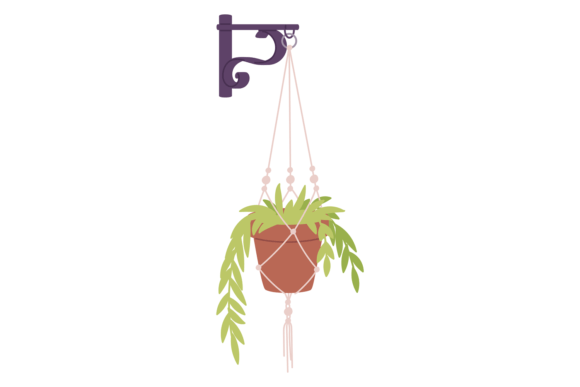
When I first opened Wall Decoration Color Icon. Green Plant, I didn’t see “another plant graphic.” I saw a quiet, confident shape—clean lines, balanced negative space, and a gentle organic rhythm that feels intentional, not algorithmic. It’s not botanical realism; it’s distilled serenity. The green isn’t loud or acidic—it’s soft, earthy, and versatile. That matters more than you’d think when translating flat graphics into stitched texture.
How It Lives in Real Embroidery Projects
Last week, I tested Wall Decoration Color Icon. Green Plant on a natural linen tote bag for a local boutique launch. No fancy digitizing—just a trusted commercial embroidery file conversion (I’ll get to that in a moment). What surprised me wasn’t how well it stitched—but how *calm* it felt once finished. Customers paused mid-browse. One said, “It doesn’t shout. It just… belongs.” That’s the quiet power of this design: it elevates without overwhelming.
It works beautifully on sweatshirt embroidery—especially mid-back or left-chest placements—because its proportions hold up at 3–4 inches wide without losing clarity. On baby embroidery? Yes, especially for nursery decor like pillow covers or tea towels. The rounded leaf edges and open silhouette avoid sharp corners that could snag or irritate delicate skin. As a custom apparel motif for small shop products, it reads as thoughtful—not trendy—making it ideal for brands leaning into slow living, wellness, or mindful gifting.
Where It Shines—and Where to Pause
- Tote bag design: Excellent. The isolated composition means clean hooping and minimal stabilizer bleed-through on medium-weight canvas.
- Embroidered patch: Strong candidate—its bold outer shape and moderate internal detail translate well to twill or chenille backing.
- Sweatshirt embroidery & aprons: Performs reliably on fleece-lined cotton and structured denim blends. The design’s openness avoids excessive stitch density, reducing puckering risk.
- Baby embroidery & holiday embroidery: Gentle enough for onesies and keepsake blankets. Avoid dense fill stitch areas near seams—opt for satin stitch outlines with light fill or strategic running stitch accents instead.
Watch These Real-World Details
This isn’t a “drop-in-and-stitch” file for every surface. Because Wall Decoration Color Icon. Green Plant is delivered as an illustration (EPS, JPG, SVG, transparent PNG), it’s a graphics asset—not a ready-to-embroider machine embroidery design. That distinction changes everything.
On thin fabric like lightweight poplin or rayon challis? You’ll need lightweight cutaway stabilizer—and possibly reduced stitch density in the leaf veins—to prevent shadowing or stiffness. On dark fabric? Test thread colors carefully: a muted sage green may disappear on charcoal; a slightly brighter olive pops while keeping the mood intact. On curved surfaces like caps? The topmost leaf tip may distort unless digitized with proper underlay and pull compensation—so don’t skip test stitching on scrap cap fabric first.
For layered garments (think quilted jackets or reversible aprons), avoid placing it directly over seams or high-friction zones—the clean outline holds up, but fine interior lines can blur over time with wear and washing. And if you’re planning holiday embroidery or wedding gifts where presentation is paramount, remember: this design earns trust through subtlety, not sparkle. It won’t dazzle with metallic thread—but it will feel considered, handmade, and quietly special.
What This Design Says About Your Brand—Without Words
Using Wall Decoration Color Icon. Green Plant signals intentionality. It tells customers your craft business values balance over busyness, clarity over clutter. That builds buyer engagement naturally—especially among Etsy sellers and creative entrepreneurs whose audiences respond to authenticity, not noise.
For personalized gifts or boutique branding, it reinforces calm professionalism. A kitchen towel with this embroidered in soft moss thread reads as heirloom-quality—not mass-produced. A custom embroidered tote bag featuring it feels like a small act of care. That perception lifts perceived product value, supports premium pricing, and strengthens brand consistency across digital embroidery files, printable mockups, and physical finished products.
Practical Notes Every Embroidery Designer Should Keep Handy
- Always test Wall Decoration Color Icon. Green Plant on scrap fabric first—especially if using it for commercial embroidery or client work.
- Review thread color contrast against both light and dark fabric backgrounds before finalizing your palette.
- Check stitch density in the leaf details—if converting from vector, avoid over-digitizing fine stems; let running stitch or light fill do the work.
- Confirm hoop size compatibility early: its clean shape scales well, but tiny versions (<2") may lose definition on textured fabrics.
- Inspect small details under magnification—especially where leaf curves meet the stem. Blurry junctions become visible in satin stitch.
- Test black-and-white mockups: does the silhouette remain legible? (It does—but only if converted thoughtfully.)
- Use appropriate stabilizer—tear-away for stable wovens, cutaway for knits or stretchy fabric.
- Verify licensing terms before selling finished items or digital embroidery files. Since this is categorized as Illustrations and Graphics, commercial use rights aren’t implied—you’ll need to confirm what’s permitted.
Final Thought: A Design That Grows With You
Wall Decoration Color Icon. Green Plant isn’t flashy—but it’s resilient. It adapts to baby embroidery and boutique merchandise alike because it’s rooted in restraint. For crafters building a recognizable visual language, for Etsy sellers curating cohesive listings, and for designers who treat every stitch as part of a larger story—it’s not just decoration. It’s quiet confidence, stitched.