Tree with Body Women Logo Design
A Thoughtful First Stitch: What This Logo *Actually* Feels Like in Hand
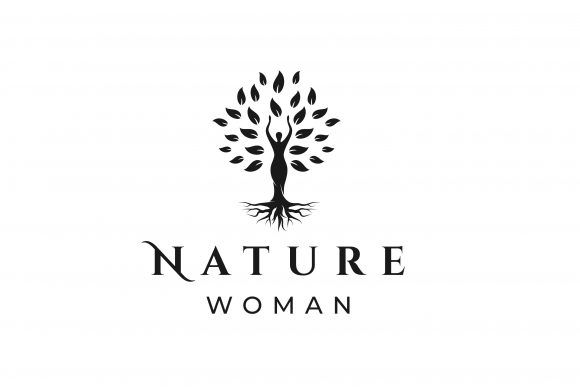
When I opened Tree with Body Women Logo Design, I didn’t see just another vector logo—I saw a quiet, grounded presence. The silhouette blends organic flow (the tree’s branching canopy) with gentle human form (the torso and subtle curve of the body), all in one continuous line. It’s not literal—it’s symbolic, calm, and quietly confident. That matters deeply when you’re stitching it onto a soft cotton tote for a local women’s wellness boutique or embroidering it on a linen baby blanket. This isn’t a loud, graphic-heavy emblem built for streetwear; it’s a design that breathes with intention. It leans into softness, balance, and mindful femininity—without cliché.
Where It Shines: Real Projects That Let This Logo Breathe
I tested Tree with Body Women Logo Design across several real-world embroidery projects—and its strengths became clear fast:
- Tote bags & tea towels: Its clean, open shape holds up beautifully on medium-weight natural fabrics. No overcrowded fill stitches, no fragile limbs—just graceful negative space that reads well even at 3.5" wide.
- Sweatshirts & relaxed-fit apparel: Because the design is vector-based and scalable, resizing it to 4–5" for chest placement maintains clarity without pixelation or awkward distortion. The lines stay smooth under satin stitch, especially along the trunk and upper branches.
- Baby items & nursery decor: On organic cotton onesies or muslin pillow covers, the gentle contour feels warm and personal—not clinical or overly stylized. Parents respond to that sincerity.
- Embroidered patches & aprons: As an applique design or standalone motif, it works cleanly with simple running-stitch borders or light fill-stitch foliage. It doesn’t demand heavy thread coverage to read.
- Holiday or wedding gifts: Stitched in ivory thread on charcoal linen, it reads as elegant and timeless—not seasonal or trend-dependent.
Where to Pause—Not Problems, Just Practical Checks
This isn’t a “plug-and-stitch” file for every scenario. As a designer who’s seen too many beautiful logos vanish into fabric mush, here’s where I’d slow down before committing:
- Small hoop sizes (under 4"): The lower trunk and body base sit close together—test how those inner curves translate at tiny scale. Fine detail can blur if stitch density isn’t adjusted.
- Textured or stretchy fabrics: On slubbed linen or lightweight knits, stabilize generously. The flowing lines rely on consistent tension—don’t skip cutaway or tear-away stabilizer.
- Dark or heavily dyed fabrics: Even though it’s vector-based, remember: embroidery thread has physical weight and sheen. A pale mint or oat thread may recede on navy—try a cream or warm taupe instead. Always test thread color contrast on scrap first.
- Caps and curved surfaces: The topmost branch tips and shoulder curve are delicate. If digitizing this yourself (or hiring a digitizer), ask them to simplify those endpoints slightly for better cap stability.
- Frequent-wash items (baby bibs, kitchen towels): Avoid ultra-thin satin stitch in high-friction zones. Reinforce the trunk base with a light fill or outline stitch where wear is likely.
What It Adds to Your Finished Product—Beyond Aesthetics
Using Tree with Body Women Logo Design does more than fill space—it shifts perception. On an Etsy listing for handmade herbal tea blends, it signals care and rootedness. On a custom embroidered sweatshirt sold at a craft fair, it elevates the piece from “cute” to “considered.” Customers notice that difference: it builds trust because the design feels intentional, not assembled. It also supports brand consistency—if you’re building a small shop around themes like growth, nurture, or quiet strength, this logo becomes a visual anchor across packaging, tags, and social mockups.
And for digital product sellers? Its vector foundation means you can create clean printable mockups (flat lays, lifestyle shots) without worrying about resolution loss. Pair it with neutral backgrounds and soft lighting, and it reads as premium—even before stitching begins.
Designer Notes You’ll Actually Use
Before stitching your first Tree with Body Women Logo Design, do these five things:
- Test on scrap fabric—same type, same stabilizer, same thread count you’ll use for the final piece.
- Check the README file for font notes, then verify whether any text elements need manual adjustment for embroidery legibility (even if they’re vector, tiny serifs won’t stitch).
- Review stitch density in your embroidery software—if it’s dense in the trunk or canopy, reduce fill % by 5–10% for breathable, flexible results on apparel.
- Mock it in black and white on both light and dark fabric swatches—this reveals contrast issues no color preview can catch.
- Confirm licensing terms before selling finished embroidered goods or bundling the file in digital kits. Vector-editable doesn’t automatically mean commercial-use-permitted—check before scaling your craft business.
Final Thought: A Logo That Grows With You
Tree with Body Women Logo Design isn’t flashy—but it’s resilient. It works quietly across baby embroidery, holiday embroidery, commercial embroidery, and everyday handmade products. It respects the material it’s stitched on, the person wearing it, and the maker who chooses it. For Etsy sellers, small shop owners, and creative entrepreneurs who value authenticity over algorithm-chasing, this is the kind of design that earns repeat customers—not because it shouts, but because it stays true.