Bow with Solid Color Outline Design
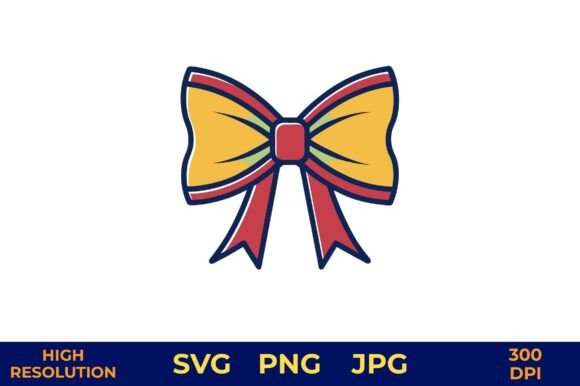
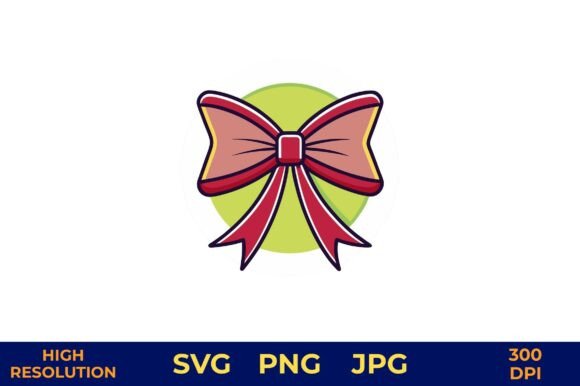
As a designer who’s stitched hundreds of custom projects—from boutique baby onesies to Etsy best-selling tote bags—I opened Bow with Solid Color Outline Design expecting charm, but what stood out immediately was its quiet confidence. It’s not fussy or over-rendered; it’s a clean, balanced bow with a bold, unbroken outline and smooth vector curves. The solid-color framing gives it presence without heaviness—ideal for embroidery where clarity matters more than complexity.
I tested it first on a linen tea towel for a small-batch kitchen gift line. The shape held up beautifully at 3.5 inches wide—neither too dainty nor overwhelming—and the outline translated directly into a crisp satin stitch border. That’s the real win: this isn’t just a pretty illustration. It’s a design that *thinks like thread*. The ribbon loops are generous, the knot sits centered, and there’s enough negative space between elements to avoid dense fill-stitch congestion—a common pitfall with overly detailed bows.
This design naturally leans into warmth and intentionality. It reads as handmade, not mass-produced—perfect for personalized gifts like baby blankets, embroidered pillow covers for nursery decor, or monogrammed aprons for artisanal bakeries. I also used it as a subtle accent on the chest of a lightweight cotton sweatshirt for a local craft fair pop-up. Customers paused—not because it shouted, but because it felt *considered*. That’s the difference between decoration and design.
Where Bow with Solid Color Outline Design shines is in versatility without compromise. On dark fabric? The solid outline creates instant definition—no need for underlay tricks or shadow stitching. On textured fabrics like terry cloth or looped cotton? Its simplicity avoids getting lost in the pile. For custom apparel—especially sweatshirts and tote bags—it scales cleanly from 2.75" to 4.5" without losing legibility. And because it’s delivered as SVG, PNG, and JPG with transparent backgrounds, it drops easily into embroidery digitizing software or printable mockups for Etsy listings.
That said, use discernment. This bow isn’t built for micro-embroidery. Avoid hooping it smaller than 2.25" on tightly woven fabrics—the knot detail starts to blur, and satin stitch edges can feather. On stretchy knits (like jersey tees), reinforce with medium-weight cutaway stabilizer and slow your machine speed. Curved surfaces—caps or curved pillow seams—require careful placement: center the bow along the flattest plane possible, and avoid wrapping it around high-curve zones where distortion creeps in.
It’s also not ideal for layered garments where bulk matters. Think twice before applying it to quilted jackets or thick fleece unless you’re willing to trim backing thoroughly and test stitch density. Likewise, if you're planning an applique design with raw-edge finishes, this bow’s clean lines work better with fused or satin-stitched edges than frayed ones—it’s a design that earns its polish.
Visually, Bow with Solid Color Outline Design lifts perceived value. A simple embroidered bow on a plain muslin bag instantly signals care—no extra tags, no printed labels needed. Customers recognize intention. That translates directly to trust: when buyers see this bow on a handmade product, they read “thoughtful gifting,” not “quick add-on.” For Etsy sellers and small shop owners, that nuance affects conversion, repeat orders, and even unboxing photos shared online.
For branding, it’s quietly flexible. Use it alone as a signature motif on packaging tape or thank-you cards—or pair it with a short phrase (“Handmade with Love,” “For You”) in a clean sans-serif. Its graphic nature holds up across mediums: digital embroidery file previews, printable mockups, social media banners, even iron-on patches. As an illustration asset, it bridges digital and physical effortlessly—something many crafters overlook until they’re scrambling to match a listing image to the actual stitched result.
Here’s what I do before committing Bow with Solid Color Outline Design to a client project or production run:
- Test on scrap fabric—same type, same color, same stabilizer—as the final piece.
- Check thread color contrast in natural light, not just screen preview. A navy bow on black fabric may vanish; the same bow in cream on charcoal pops.
- Review stitch density in your digitized version—if filling the loops, keep fill stitch % under 85% for breathability on wearables.
- Confirm hoop size compatibility before digitizing—some versions of this design scale well, but others may require re-hooping mid-stitch on smaller machines.
- Inspect small details in black-and-white mockup mode—this reveals where outlines might merge or thin areas could break.
- Compare performance on light vs. dark fabric using your actual thread palette—not default software swatches.
- Use proper stabilizer: tear-away for stable wovens, cutaway for knits, and lightweight fusible for delicate linens.
- Verify licensing terms before selling finished items or bundling the digital embroidery file—this product states “JUST DOWNLOAD AND PRINT YOUR OWN,” so confirm commercial rights if reselling stitched goods or digital assets.
If you’re an embroidery designer building a library of reliable, customer-pleasing motifs—or a craft business owner curating cohesive, gift-ready collections—Bow with Solid Color Outline Design earns its place not as filler, but as foundation. It’s the kind of bow you reach for when you want elegance without effort, recognition without shouting, and handmade authenticity that feels earned, not applied.
It works because it respects the craft: the fabric, the thread, the time, and the person receiving the finished product. Not every bow does that. This one does.